
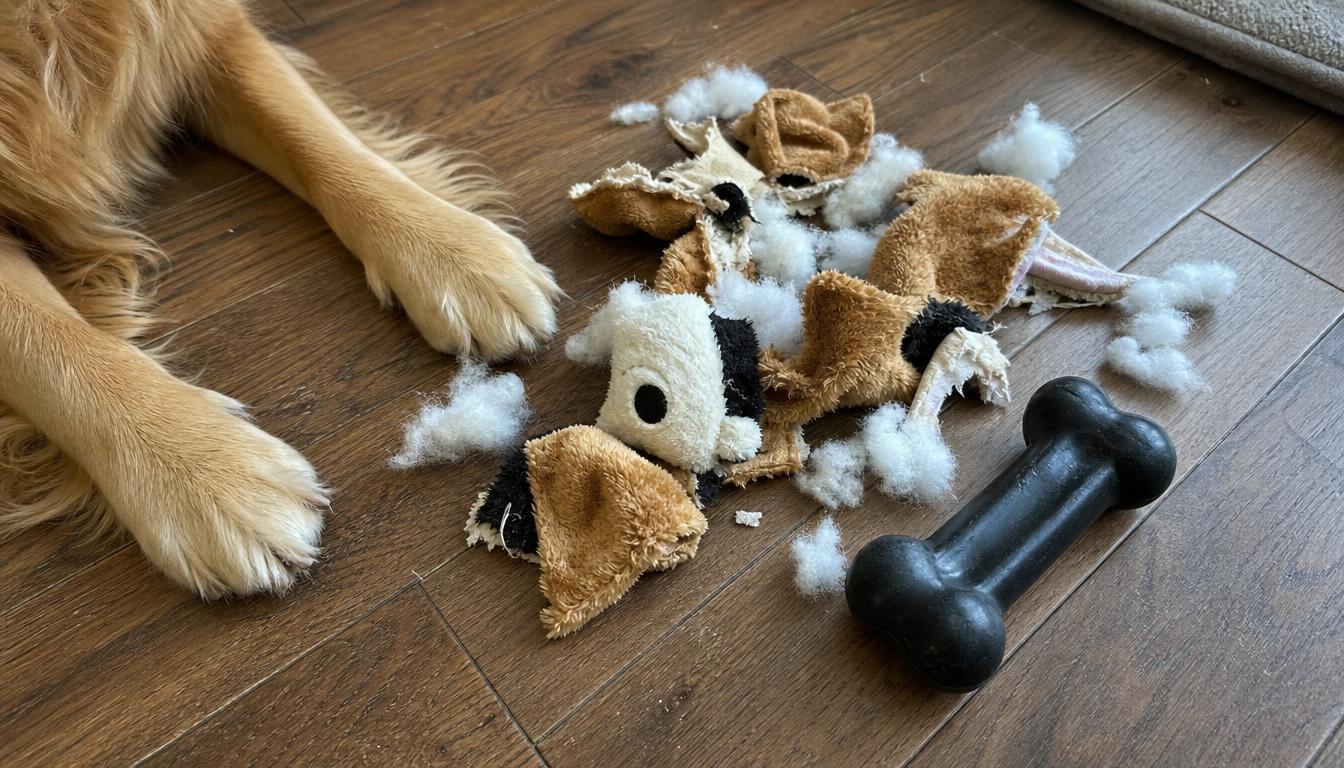
Dog Toy Safety Guide: 5 Hidden Dangers & Essential Checklist to Protect Your Pup
Picture this: your energetic pup bounds into the room, eyes locked on that shiny new toy. Tail wagging furiously, they dive in with joyful abandon. But in a split second, a tiny squeaker lodges in their throat. Heart-stopping panic ensues. Stories like this aren't rare—take Luna, a bouncy Labrador who had a close call when a squeaker from her favorite plush toy broke free during play. Moments like these underscore a sobering truth: not all dog toys are created equal. Behind the colorful packaging lurk hidden dangers that can turn playtime into a veterinary emergency.
As pet owners, we pour love into choosing the perfect toys, but dog toy safety demands more than a quick glance at the store shelf. From choking hazards for dogs to toxic dog toys, the risks are stealthy. This guide pulls back the curtain on five critical threats and arms you with a foolproof dog toy safety checklist. By the end, you'll navigate toy aisles like a pro, ensuring endless tail wags without the worry.
The 5 Hidden Dangers Lurking in Everyday Dog Toys
Toys promise fun, but poor design or low-quality materials can spell disaster. Let's dissect the top perils, starting with the most immediate.
1. Choking Hazards from Squeakers and Small Parts
Choking hazards for dogs top the list, often from squeakers that puncture and dislodge. These noisemakers delight pups with their shrill calls, but once freed, they become deadly projectiles. Luna's ordeal highlights the drill: during vigorous chewing, the plastic squeaker burst out, wedging in her airway. Quick action saved her, but not every story ends happily. Watch for removable eyes, noses, or bells too—these bits mimic candy to curious jaws.
- Inspect for loose components before purchase.
- Supervise play, especially with puppies or aggressive chewers.
- Discard immediately if parts break off.
2. Toxic Dyes and Harmful Chemicals in Toxic Dog Toys
Vibrant reds and blues dazzle, but some dyes harbor heavy metals like lead or phthalates. Ingested through chewing or licking, these toxic dog toys can trigger vomiting, lethargy, or worse—organ damage over time. Fabrics treated with flame retardants or imported plastics often hide these villains. The FDA flags unregulated imports as hotspots, urging vigilance on chewable surfaces.
Opt for toys labeled non-toxic and certified by bodies like the ASTM. Faded colors? A red flag for leaching chemicals.
3. Splintering Wood or Plastic Edges
Rawhide chews and wooden toys promise durability, but they splinter under pressure. Jagged shards pierce gums, lodge in intestines, or cause blockages. Plastic toys fare no better—brittle edges crack into swallowable daggers. What starts as innocent gnawing escalates to surgery when fragments migrate internally.
A splinter isn't just a splinter in a dog's world; it's a ticking time bomb for perforation and infection.
4. Stuffing Ingestion from Plush Toys
That fluffy stuffing? It's a gut-clogging nightmare. Dogs eviscerate plushies with glee, gulping polyester fibers that ball up like concrete in the stomach. Symptoms mimic overeating—bloating, pain—but lead to life-threatening obstructions. Small breeds suffer most, their tiny frames no match for the bulk.
Bare stuffing signals replacement time. Choose flat or minimal-fill alternatives for peace of mind.
5. Tooth Damage from Overly Hard Toys
Antlers, nylon bones, and rocks tempt power chewers, but their unyielding surfaces fracture teeth. Cracked molars mean root canals or extractions—painful and pricey. The Penny Test demystifies hardness: press the toy against a penny. If it dents the coin, it's too tough for your dog's teeth. Nature's bones yield slightly; industrial fakes don't.
For aggressive chewers, explore our aggressive chewer materials guide for vet-approved toughness without the breakage.
Dog Toy Safety Checklist: Your Playtime Protection Plan
Armed with danger intel, deploy this dog toy safety checklist for every purchase and play session. It's your roadmap to a safer safe dog toys guide.
- Size Matters: Toy should be larger than your dog's mouth to nix swallowing risks.
- Material Check: Rubber, silicone, or thick rope over wood/plastic. No BPA, phthalates, or lead.
- Seam Strength: Tug-test stitching; weak seams invite stuffing spills.
- Hardness Audit: Penny Test all hard toys. Flexible is friendlier.
- Cleaning Ease: Dishwasher-safe or machine-washable cuts bacteria buildup.
- Supervise Always: Never leave unsupervised; retire at first wear.
- Age & Breed Match: Puppies need soft; seniors, gentle textures.
Print this list, pin it by the door. Routine inspections extend toy life and safeguard health.
Building a Safe Dog Toys Guide for Life
Dog toy safety isn't a one-off; it's a habit. Rotate toys to maintain novelty, track wear weekly, and heed your vet's breed-specific advice. Labs like Luna thrive on durable fetch balls; Chihuahuas demand mini, soft squeezers. When in doubt, less is more—quality trumps quantity.
Transparent choices today prevent tomorrow's regrets. Prioritize brands with rigorous testing, and your bond deepens through worry-free romps.
Ready to Play Safe? Discover Vetted Picks
Don't gamble on toy aisles. Dive into our pillar guide for handpicked, safety-certified winners at /guides/top-5-pet-toys. Your pup's next adventure awaits—secure, joyful, and hazard-free.
Play smart. Love fiercely.
